Manga, a captivating form of Japanese comic art, has transcended its origins to become a worldwide cultural phenomenon. This unique art form combines visual storytelling with intricate narratives that appeal to diverse audiences across ages and nations. In this article, we delve into the multifaceted world of only manga, exploring its artistic techniques, genre diversity, cultural influence, and future prospects, providing a comprehensive overview that celebrates its significance beyond the pages of comic books.
Exploring the Global Phenomenon of Manga - A Comprehensive Overview
Manga has blossomed from a niche entertainment form into an influential cultural movement that shapes art, entertainment, and social conversations worldwide. Its roots stretch back centuries, but the modern manga boom emerged in Japan in the post-World War II era, driven by artists like Osamu Tezuka. Over the decades, only manga has evolved into a genre with its own rules, genres, and dedicated fanbase, breaking geographical barriers and resonating with global audiences. Today, manga's reach extends through digital platforms, translating into millions of copies sold across continents, with conventions and fandom communities flourishing worldwide.
The phenomenon's impact is especially evident when considering how manga influences trends in fashion, music, and even language. Its diverse storytelling techniques and emotive art style foster deep emotional connections, making it a cultural cornerstone for many. As the industry continues to innovate with digital manga, anime adaptations, and international collaborations, its universal appeal ensures that only manga remains a dynamic and vital art form that unites people across races and borders, fostering cultural exchange and creative inspiration.
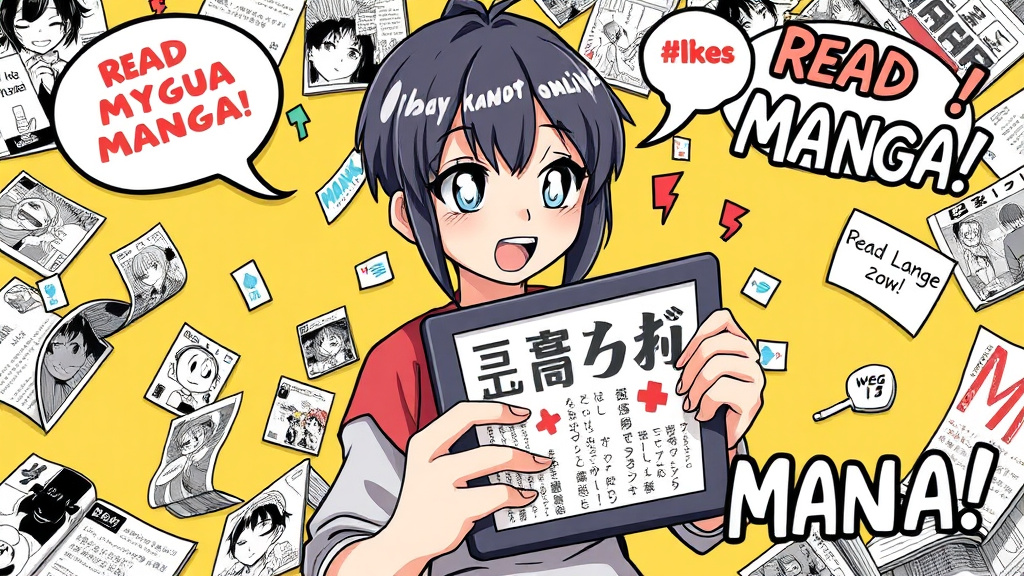
 Hình minh họa: anime comic 18 – only manga
The Art of Manga - Analyzing Visual Storytelling Techniques
The artistry in manga is a testament to both Japanese cultural aesthetics and innovative storytelling. Its visual language employs expressive line work, dynamic panel layouts, and inventive use of visual effects to evoke mood, tension, and character emotions succinctly. Manga artists, or mangaka, masterfully manipulate framing and pacing, using close-ups to heighten emotional impact or expansive panel spreads to dramatize action sequences. This visual storytelling transcends language barriers, allowing readers worldwide to connect with characters and narratives on a visceral level.
Beyond technical mastery, manga employs sophisticated symbolism and visual motifs that enrich storytelling. Features such as screentones, symbolic backgrounds, and character design choices subtly convey themes and subtext. For example, the stark contrast of black and white emphasizes mood and character duality, while exaggerated expressions amplify comedic or dramatic moments. These techniques highlight how only manga uses a distinctive visual vocabulary—one that blends artistic finesse with narrative economy to create immersive stories that resonate on a universal level.
Genre Diversity in Manga - From Shonen to Josei and Beyond
One of manga's most remarkable features is its vast genre diversity, catering to varied tastes and life stages. At its core are genres like shonen (aimed at young boys), shojo (targeted at young girls), seinen (for adult men), and josei (for adult women), each with its signature themes and storytelling styles. However, within and beyond these categories, manga explores genres such as fantasy, horror, romance, science fiction, slice of life, and more, often blending elements to create innovative hybrids. This genre versatility ensures that manga can speak to personal interests and societal issues alike.
What makes only manga particularly compelling is how these genres often reflect cultural nuances and societal values, providing insights into Japanese life while appealing globally. For instance, shonen manga tends to focus on themes of friendship, perseverance, and adventure, resonating with youth and inspiring resilience. Conversely, josei and seinen manga often explore complex relationships, existential themes, and social satire, attracting mature readers seeking depth and introspection. This spectrum of genres not only broadens manga's reach but also elevates it as a sophisticated storytelling medium capable of addressing serious themes alongside entertainment.
The Cultural Impact of Manga - Influence on Art, Fashion, and Entertainment
Manga's influence extends beyond literature into the broader cultural fabric, shaping art, fashion, and entertainment practices worldwide. In various art forms, manga’s distinct visual style—characterized by expressive faces, detailed backgrounds, and inventive paneling—inspired countless artists and illustrators globally. Moreover, manga conventions, merchandise, and fan art have fostered vibrant communities that celebrate this aesthetic, fueling trends in fashion where characters’ styles often influence streetwear and cosplay culture.
In entertainment, manga has profoundly impacted animation (anime), film, and gaming. Iconic anime adaptations like Dragon Ball or Naruto have become global phenomena, elevating manga artists to celebrity status. Fashion designers and costume creators draw inspiration from manga characters’ distinctive looks, elevating cosplay into a recognized form of art and self-expression. The cultural ripple effect signifies how only manga is not merely entertainment but a catalyst for artistic experimentation, cultural dialogue, and creative entrepreneurship that continually redefines modern pop culture paradigms.
Manga and Anime - Examining the Symbiotic Relationship
The symbiosis between manga and anime is undoubtedly one of its defining features. Manga often serves as the foundation for anime adaptations, which propel stories to new audiences and media formats. While some argue anime sometimes deviates from the original manga's narrative or artistic style, it often enhances storytelling through voice acting, music, and motion, providing a multisensory experience. Conversely, successful anime adaptations boost manga sales and popularity, creating a cyclical growth that fuels both industries.
This relationship underscores a shared creative ecosystem where only manga provides the narrative backbone, and anime elevates its visual and emotional impact globally. Fans often consume both mediums in tandem, with manga serving as a blueprint for artistic expression and anime acting as a dynamic interpretation that broadens storytelling horizons. The best works exemplify how each medium complements the other—manga offering depth and detail, and anime delivering mood and movement—collectively expanding the cultural footprint of manga storytelling on a larger scale.
Key Manga Artists and Their Masterpieces - A Critical Appreciation
Celebrating key figures in only manga reveals the artistry and innovation that have defined the industry. Osamu Tezuka, often called the "God of Manga," revolutionized the medium with works like Astro Boy and Kimba the White Lion, pioneering cinematic techniques and emotional depth. Rumiko Takahashi’s Inuyasha and Ranma ½ fused humor, romance, and supernatural elements, elevating manga comedy and storytelling. Meanwhile, CLAMP’s intricate art style and complex narratives, seen in series like Cardcaptor Sakura and X, have inspired generations of artists.
Studying these artists underscores the importance of individual creativity and cultural influences shaping only manga. Their masterpieces often blend artistic innovation—from Tezuka's expressive character designs to CLAMP's detailed illustrations—and narrative mastery that tackles themes like identity, struggle, and societal change. These creators have transformed manga from simple stories into powerful art forms capable of capturing universal human experiences while advancing the medium’s technical and thematic boundaries.
Understanding Manga Publishing - From Creation to International Distribution
The journey of manga from creator to reader involves complex processes of creation, editing, publishing, and distribution. Traditionally, manga is serialized in magazines before collected in volumes known as tankobon. This serialized format fosters a close relationship between artists and their readership, allowing for immediate feedback and iterative storytelling. However, the digital age has introduced new platforms that enable artists to publish directly online, expanding reach and reducing barriers, while also challenging traditional publishing models.
International distribution has further expanded manga’s cultural influence, with licensing, translation, and localization playing critical roles. Companies like VIZ Media, Kodansha, and Crunchyroll facilitate global access, ensuring that only manga reaches viewers worldwide in multiple languages. Digital distribution methods, including manga apps and webcomics, have democratized access, prompting a new era of industry growth. This fluid process highlights how technological innovations continue to shape manga’s creation and dissemination, making it more accessible and influential than ever before.
The Future of Manga - Trends and Innovations in the Industry
Looking ahead, the future of manga is poised for exciting innovations driven by technology, changing consumer preferences, and global collaborations. Augmented reality (AR) and virtual reality (VR) are beginning to offer immersive manga experiences, blending traditional storytelling with interactive elements. Artificial intelligence is also being explored for scriptwriting, art creation, and personalized content delivery, promising to streamline the creative process and offer tailored reader experiences.
Furthermore, industry trends reflect a move towards more inclusive storytelling, with diverse characters and themes gaining prominence to better mirror global society. The crossover between manga and other media—such as video games, live-action adaptations, and webtoons—promises continued expansion and diversification. As manga becomes more interconnected with digital innovations and international markets, its core appeal—the ability to tell compelling stories through art—remains resilient, ensuring only manga will thrive as a vital cultural and artistic force in decades to come.
Manga for Beginners - A Guide to Getting Started with Reading
For newcomers, entering the expansive world of manga can seem daunting, but it’s also an exciting journey full of discovery. Beginners should start with acclaimed, accessible series such as My Hero Academia, Naruto, or Yotsuba&! that balance engaging stories with approachable art styles. It's also helpful to familiarize oneself with the genre classifications and to explore manga aimed at different demographics to find what resonates most, whether humorous, dramatic, or fantastical.
Getting acquainted with manga involves understanding its reading direction—usually right to left in traditional Japanese editions—and exploring various formats like digital comics or paper copies. Online communities and review sites can offer personalized recommendations and critical insights. Most importantly, cultivating patience and curiosity will open up a treasure chest of stories, styles, and cultural perspectives—showcasing how only manga has the power to captivate, challenge, and inspire readers worldwide.
Manga Criticism and Analysis - Deconstructing Themes and Narratives
Analyzing manga critically reveals its depth as an art form and a mirror to societal issues. Many manga encompass themes such as identity, morality, and power, and dissect complex human emotions and relationships. For example, works like Akira or Ghost in the Shell explore dystopian futures and philosophical questions about technology and consciousness, prompting readers to reflect on contemporary anxieties and ethical dilemmas.
Critical appreciation requires examining how only manga employs narrative devices—such as symbolism, genre conventions, or character development—and visual cues to communicate layered messages. It also involves understanding how manga addresses cultural specifics while maintaining universal appeal. Engaging with manga criticism fosters a deeper appreciation of the craft, encouraging readers to look beyond entertainment and recognize manga as a sophisticated, multifaceted medium capable of addressing profound themes and inspiring cultural conversations worldwide.
Conclusion
Only manga stands as a testament to the power of visual storytelling that seamlessly combines artistic mastery with diverse genres and cultural depth. From its origins in Japan to its status as a global phenomenon, manga continues to inspire new generations through innovative storytelling techniques, artistic evolution, and cultural influence. Its symbiotic relationship with anime, its impact on art and fashion, and its continual adaptation to technological advancements underscore its significance as a dynamic and impactful medium. Whether approached as entertainment, cultural commentary, or art, manga's future looks promising with endless trends and innovations that ensure it remains an enduring pillar of global pop culture.